
Flag

We stand with Ukraine and our team members from Ukraine. Here are ways you can help

Get exclusive access to thought-provoking articles, bonus podcast content, and cutting-edge whitepapers. Become a member of the UX Magazine community today!

Home ›› What Is OAGI—and Why You Need It Before AGI

What Is OAGI—and Why You Need It Before AGI

by UX Magazine Staff
2 min read
Share this post on
Tweet
Share
Post
Share
Email
Print

Save

AGI—Artificial General Intelligence—is often framed as the finish line of AI development: a system so intelligent it can understand or learn any task that a human can. But for most companies, there’s a more immediate and more important milestone: OAGI, or Organizational Artificial General Intelligence.

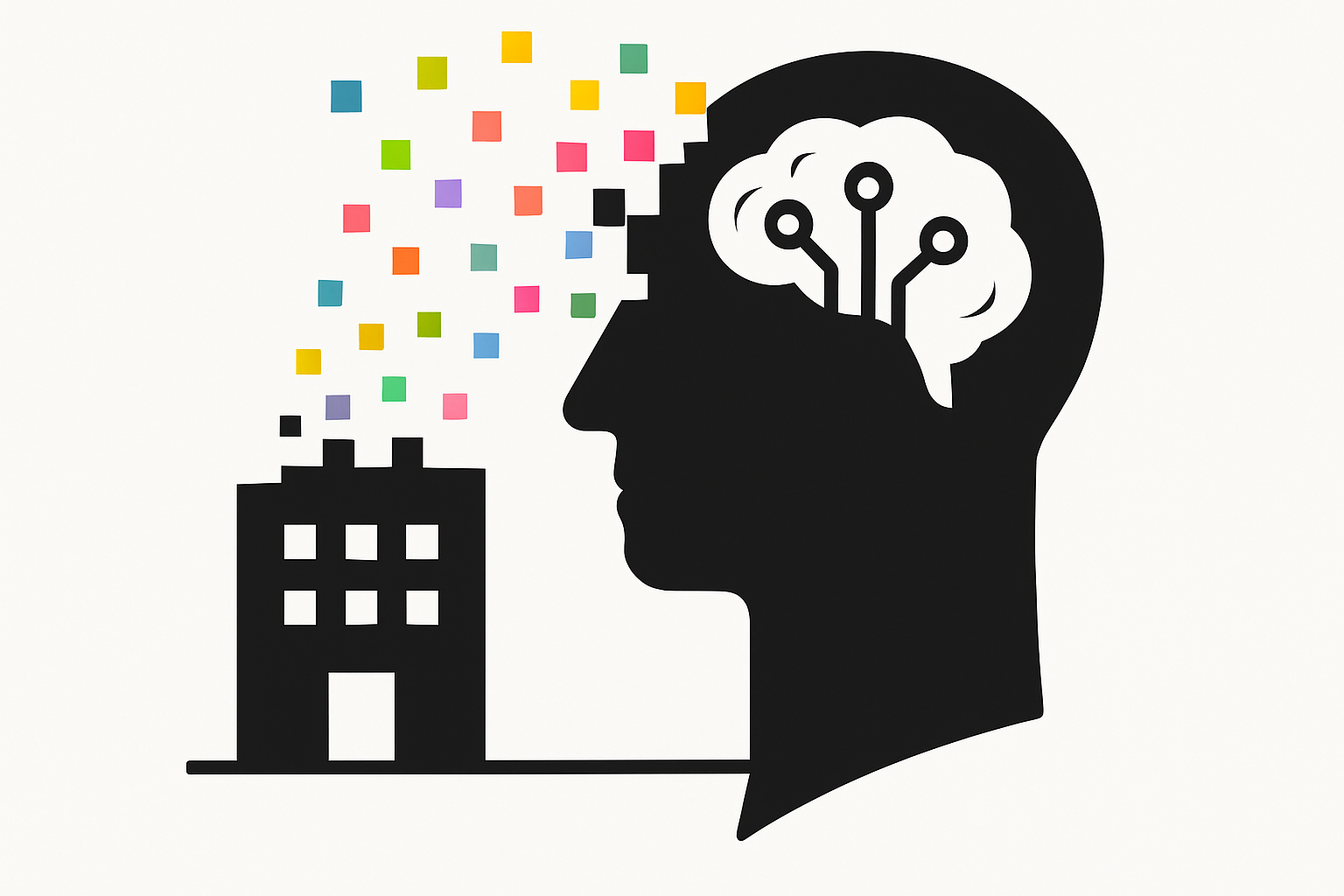
OAGI, as first mentioned by Robb Wilson and Josh Tyson in the Invisible Machines podcast, isn’t about general intelligence in the abstract. It’s about intelligence that understands the unique fabric of your business. The people, policies, products, data, priorities and processes. It’s a model of your organization so richly informed that intelligent agents can act on its behalf—coordinating workflows, answering questions, automating decisions, and improving themselves over time.

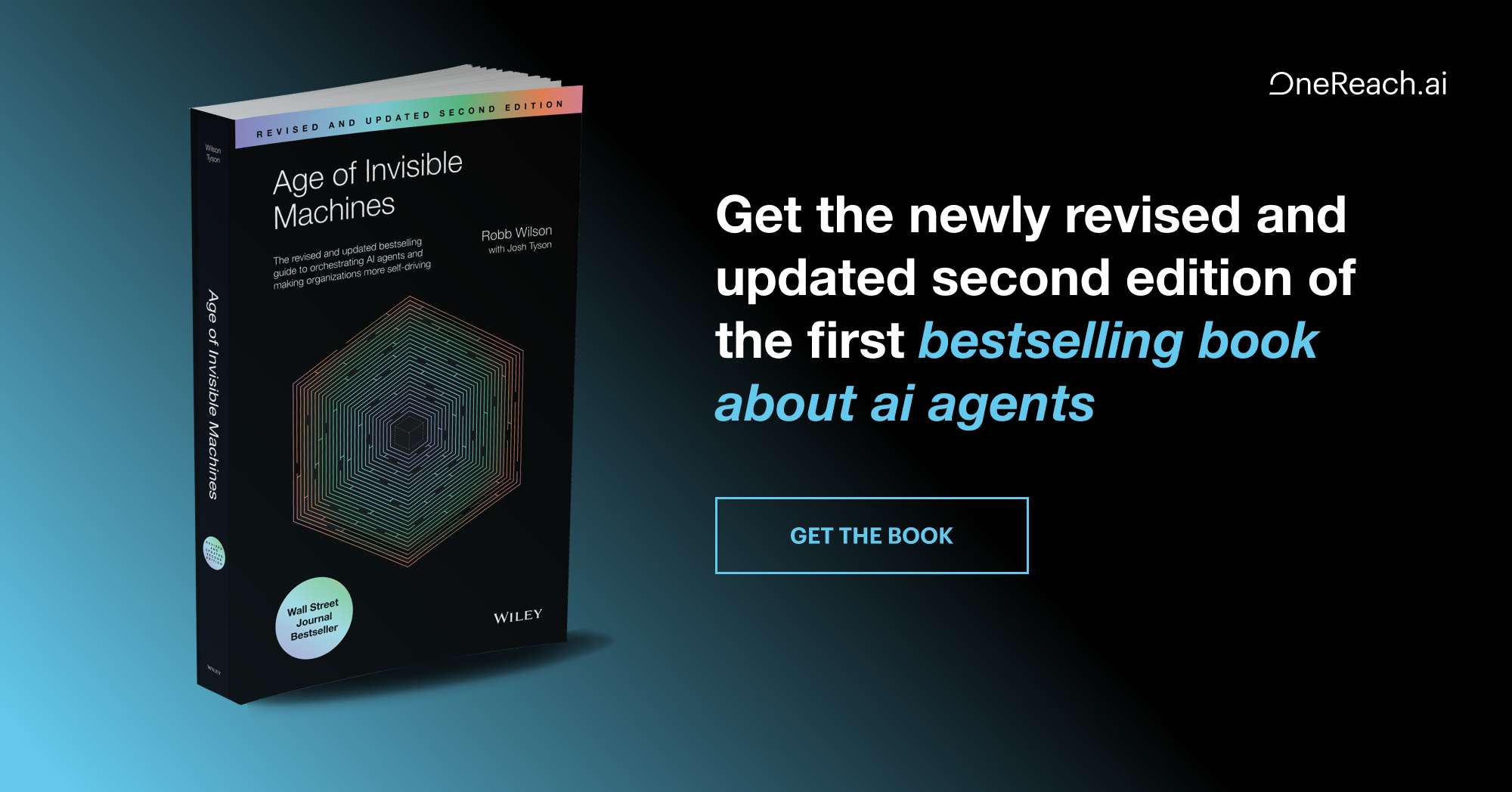
In the soon to be released second edition of Age of Invisible Machines, Wilson and Tyson describe how conversational interfaces are evolving into control layers or event operating systems for enterprise systems. They explain how combined with AI agents and automation tools, these interfaces become the gateway to a living, evolving representation of your organization. Think artificial general intelligence, but contained to intelligence regarding your org. That’s OAGI in a nutshell.

The irony is that while AGI is globally complex, OAGI is locally achievable. A team or a company doesn’t general AI or a singularity event to unlock immense value for your team or your company—you need a specialized, interconnected and informed orchestration layer that can reason about your own systems, tools, processes, people and data.

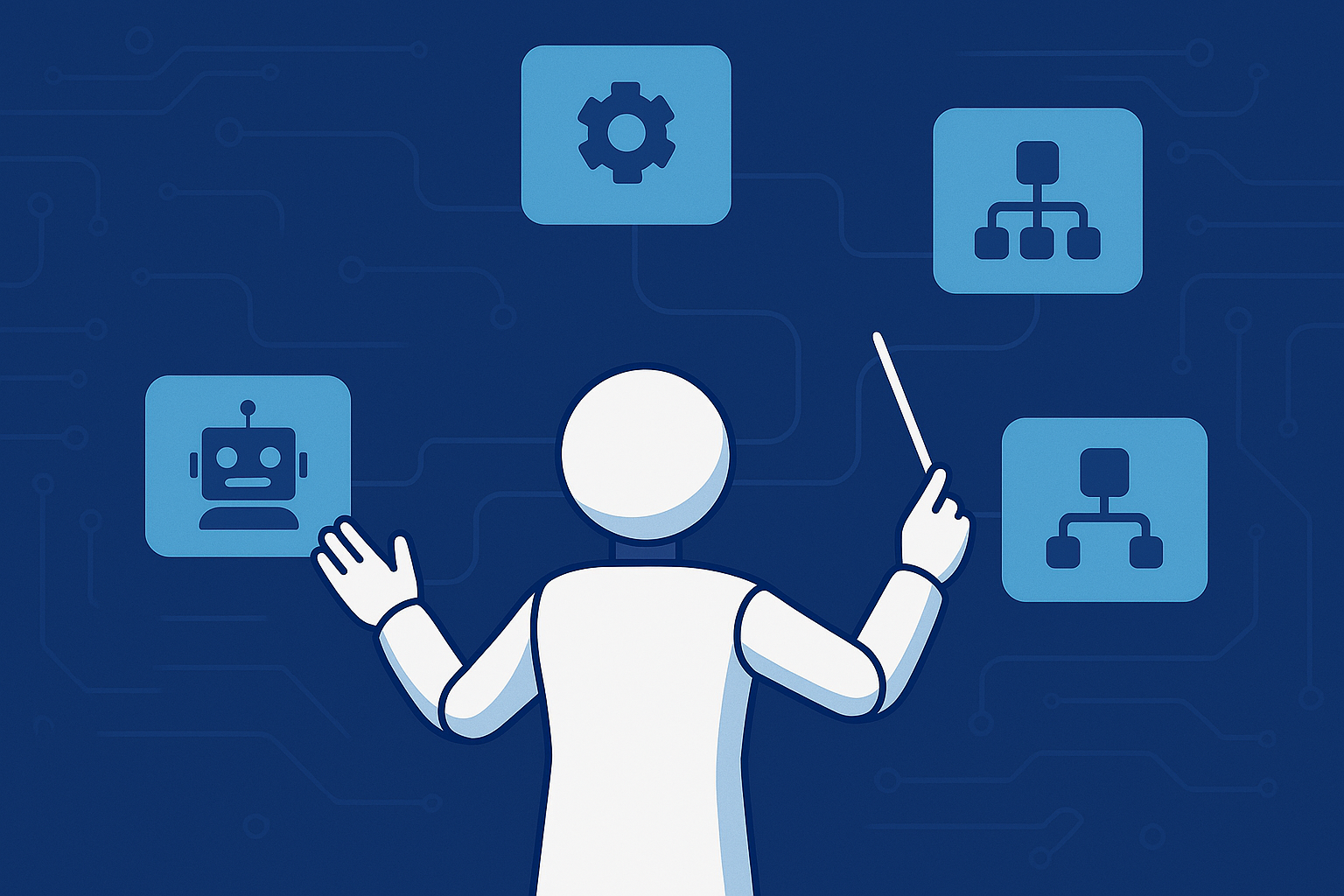
Building OAGI doesn’t just require smart AI agents and doesn’t happen overnight—it requires equipping yourself for sophisticated orchestration of those agents across complex workflows and systems. Platforms like OneReach.ai are designed for exactly this: enabling businesses to coordinate conversational and graphical interfaces, automation tools, and AI agents into a unified intelligence layer. Without this level of orchestration, OAGI remains fragmented and out of reach.

In short, most organizations are skipping over the intelligence they actually need, and that is attainable and advanceable now, in favor of intelligence they may never get – or perhaps more importantly, that won’t be in their control.

OAGI is how your organization becomes more self driving. And that’s the first major milestone on the path toward thriving in the age of AI.

post authorUX Magazine Staff

UX Magazine Staff
UX Magazine was created to be a central, one-stop resource for everything related to user experience. Our primary goal is to provide a steady stream of current, informative, and credible information about UX and related fields to enhance the professional and creative lives of UX practitioners and those exploring the field. Our content is driven and created by an impressive roster of experienced professionals who work in all areas of UX and cover the field from diverse angles and perspectives.

Tweet
Share
Post
Share
Email
Print

Related Articles

What if AI alignment is more than safeguards — an ongoing, dynamic conversation between humans and machines? Explore how Iterative Alignment Theory is redefining ethical, personalized AI collaboration.

Article by Bernard Fitzgerald
The Meaning of AI Alignment
  • The article challenges the reduction of AI alignment to technical safeguards, advocating for its broader relational meaning as mutual adaptation between AI and users.
  • It presents Iterative Alignment Theory (IAT), emphasizing dynamic, reciprocal alignment through ongoing AI-human interaction.
  • The piece calls for a paradigm shift toward context-sensitive, personalized AI that evolves collaboratively with users beyond rigid constraints.
Share:The Meaning of AI Alignment
5 min read

Forget linear workflows — today’s creative process is dynamic, AI-assisted, and deeply personal. Learn how to build a system that flows with you, not against you.

Article by Jim Gulsen
The Creative Stack: How to Thrive in a Nonlinear, AI-Assisted World
  • The article explores the shift from linear to nonlinear, AI-assisted creative workflows.
  • It shares practical ways to reduce friction and improve flow by optimizing tools, habits, and environments.
  • It argues that success comes from designing your own system, not just using more tools.
Share:The Creative Stack: How to Thrive in a Nonlinear, AI-Assisted World
7 min read

Join the UX Magazine community!

Stay informed with exclusive content on the intersection of UX, AI agents, and agentic automation—essential reading for future-focused professionals.

Hello!

You're officially a member of the UX Magazine Community.
We're excited to have you with us!

Thank you!

To begin viewing member content, please verify your email.

Tell us about you. Enroll in the course.

    This website uses cookies to ensure you get the best experience on our website. Check our privacy policy and