
Artificial intelligence (AI) and machine learning (ML) are rapidly changing the way we design products and services. These technologies are being used to create more personalized, engaging, and efficient user experiences.
In the past, UX designers had to rely on their own intuition and experience to create products that were easy to use and enjoyable. However, with the help of AI and ML, designers can now collect data about user behavior and preferences, and use this data to create products that are tailored to each individual user.
For example, AI can be used to personalize a website or app’s layout or recommend products that a user is likely to be interested in. ML can be used to improve the accuracy of search results or to identify and fix usability issues.
As AI and ML continue to develop, they will have an even greater impact on UX design. In the future, designers will be able to use these technologies to create products that are truly intelligent and user-centric.
Here are some specific examples of how AI and ML are being used in UX design today:
- Personalization: AI can be used to personalize the user experience by tailoring content and features to each individual user. For example, Netflix uses AI to recommend movies and TV shows to its users based on their viewing history.

- Engagement: AI can be used to create more engaging user experiences by using natural language processing to generate text that is tailored to the user’s interests. For example, Google Assistant uses AI to generate answers to user questions in a conversational way.
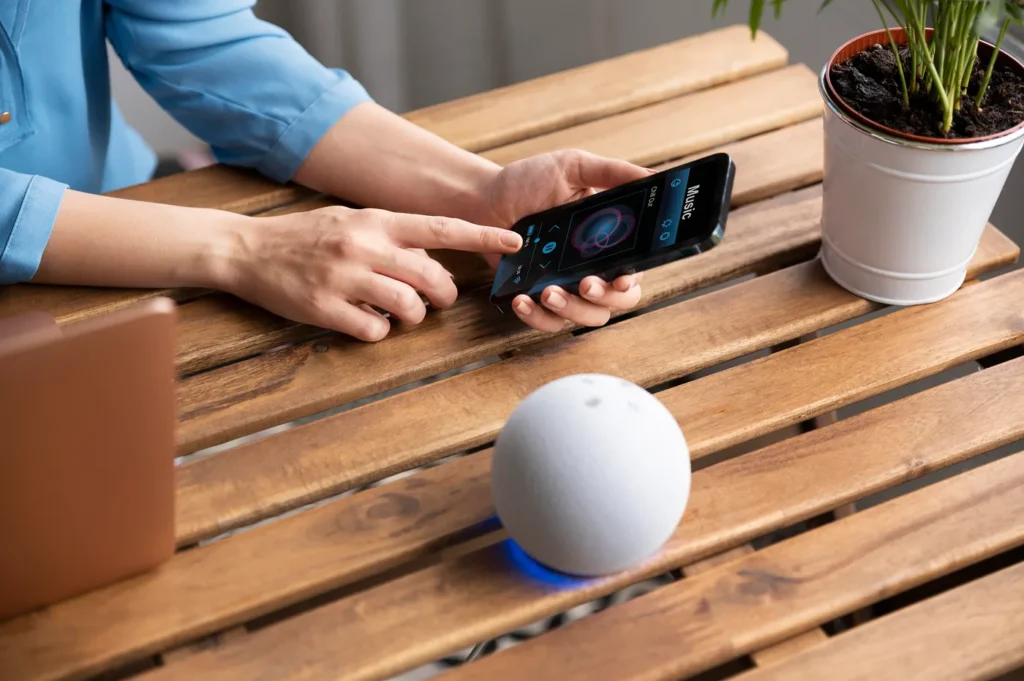
- Efficiency: AI can be used to improve the efficiency of the user experience by automating tasks that are typically performed by humans. For example, Amazon uses AI to generate shipping labels and track orders automatically.
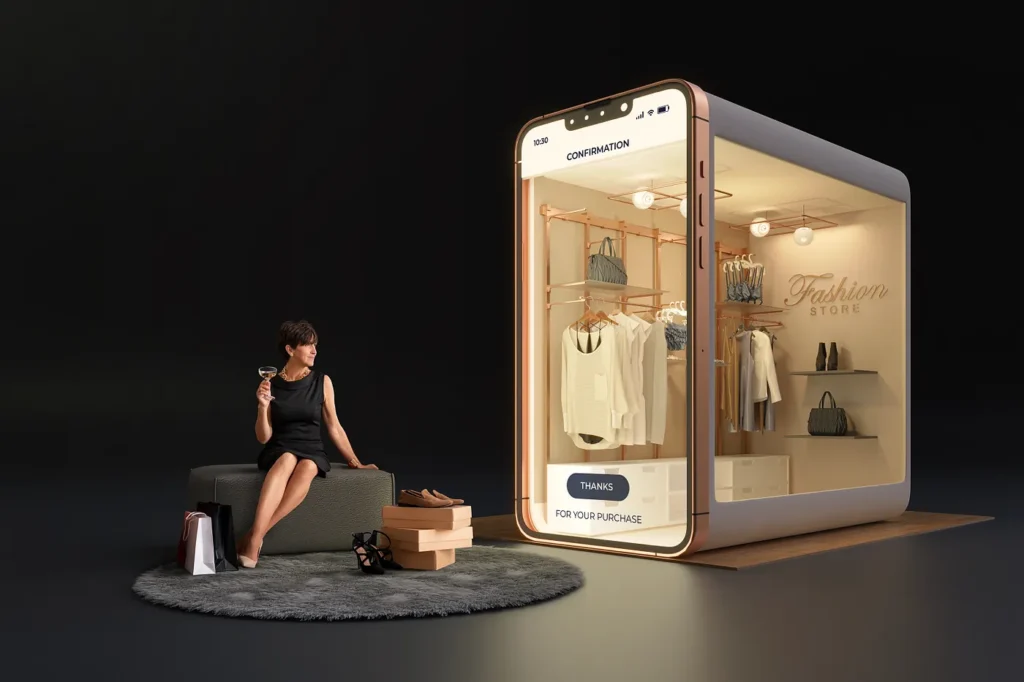
These are just a few examples of how AI and ML are being used in UX design today. As these technologies continue to develop, they will have an even greater impact on the way we design products and services.
The Impact of AI and ML on UX Design
The impact of AI and ML on UX design is significant and will continue to grow in the future. These technologies are already being used to create more personalized, engaging, and efficient user experiences. As AI and ML continue to develop, they will have an even greater impact on the way we design products and services.
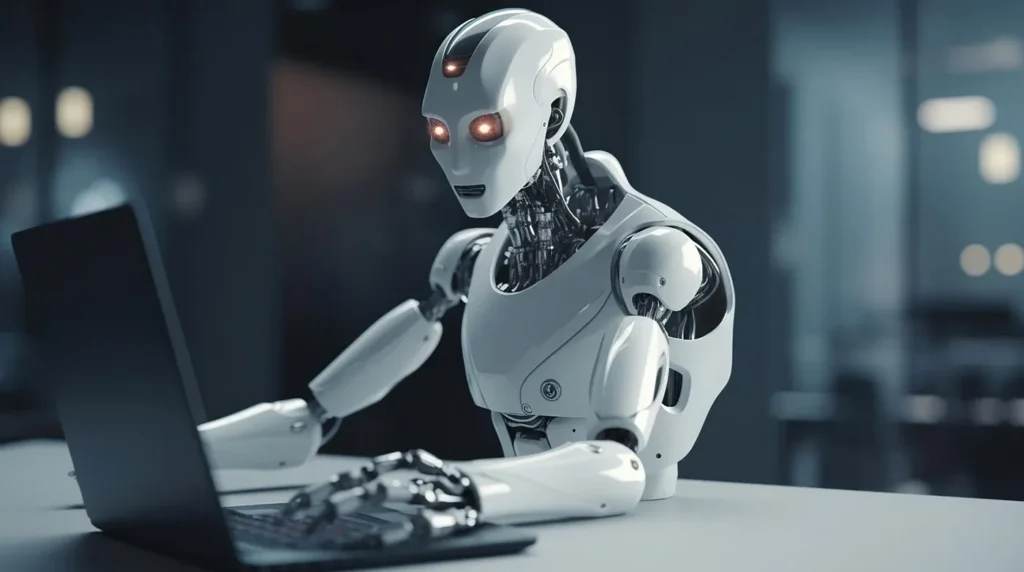
Here are some of the ways that AI and ML are impacting UX design:
- Personalization: AI can be used to personalize the user experience by tailoring content and features to each individual user. This can be done by using data about the user’s interests, demographics, and behavior. The rise of AI and ML has made it possible to create highly personalized user experiences. Machine learning algorithms can analyze user data, including demographics, behavior, and preferences, to deliver personalized content and recommendations. This approach, known as User-Centered Design, can help designers create interfaces tailored to each user’s individual needs. For example, a travel website can use ML algorithms to suggest destinations based on the user’s search history, location, and preferences. This level of personalization can lead to higher engagement, satisfaction, and loyalty.
- Engagement: AI can be used to create more engaging user experiences by using natural language processing to generate text that is tailored to the user’s interests. This can be done by using chatbots, virtual assistants, and other AI-powered tools.
- Efficiency: AI can be used to improve the efficiency of the user experience by automating tasks that are typically performed by humans. This can be done by using machine learning to identify patterns in user behavior and then automating tasks based on those patterns.
The Future of UX Design
The future of UX design is bright. AI and ML are already having a significant impact on the way we design products and services, and this impact will only grow in the future. As these technologies continue to develop, UX designers will have access to even more powerful tools that will allow them to create even better user experiences.

Here are some of the trends that are expected to shape the future of UX design:
- Increased personalization: AI will be used to personalize the user experience even more than it is today. This will be done by using data about the user’s interests, demographics, and behavior to tailor content and features to each individual user.
- More natural interaction: AI will be used to create more natural and engaging user interfaces. This will be done by using natural language processing to generate text that is tailored to the user’s interests, and by using machine learning to identify patterns in user behavior and then automating tasks based on those patterns.
- Improved accessibility: AI will be used to improve the accessibility of products and services for people with disabilities. This will be done by using machine learning to identify patterns in user behavior and then automating tasks based on those patterns.
The future of UX design is exciting. As AI and ML continue to develop, UX designers will have access to even more powerful tools that will allow them to create even better user experiences.
Conclusion:
AI and ML are having a significant impact on UX design. These technologies are being used to create more personalized, engaging, and efficient user experiences. As AI and ML continue to develop, UX designers will have access to even more powerful tools that will allow them to create even better user experiences.
The future of UX design is bright. With the help of AI and ML, UX designers will be able to create products and services that are truly intelligent and user-centric. This will lead to a better user experience, which will lead to increased satisfaction, loyalty, and sales.