
What Are AI Agent Runtimes?
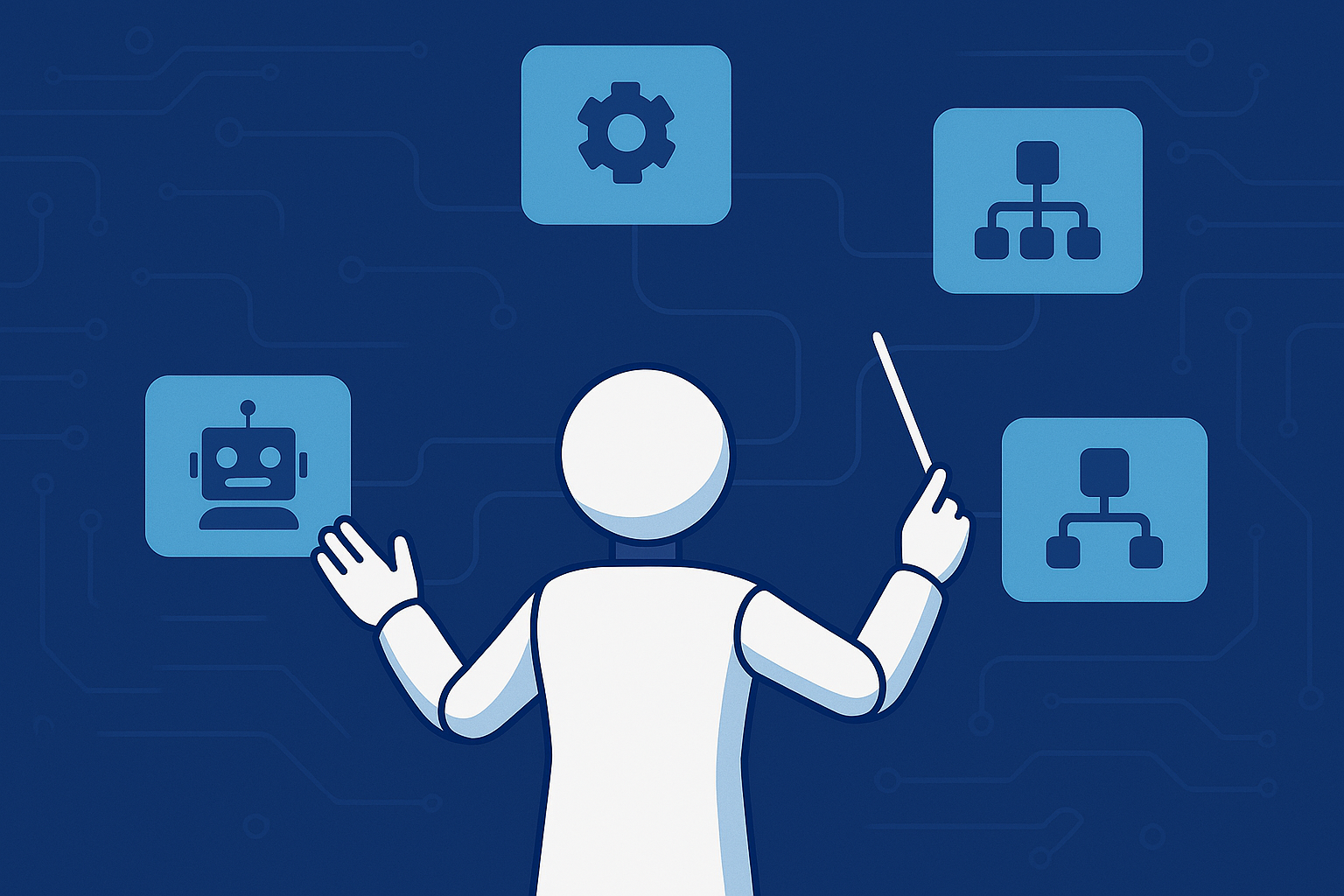
AI agent runtimes are the infrastructure platforms that power AI agents—autonomous software systems that can perceive, reason, and act to accomplish business goals. Think of them as the “operating system” for AI agents, handling execution, orchestration, monitoring, and integration with business systems.
Why Companies Need Them
Building agent infrastructure from scratch is complex and time-consuming. A proper runtime provides essential components like orchestration, monitoring, security, human oversight capabilities, and testing—accelerating deployment from months to days while ensuring enterprise reliability.
“The good news is some clients are already preparing… They’re not just building agents, they’re building the scaffolding around them. That means putting the right guardrails in place, managing stakeholder expectations, and designing for integration and scale, not just proof of concept.”
– Marcus Murph, head of technology consulting at KPMG (CIO.com, 4 recs for CIOs as they implement agentic AI)
Three Categories of Runtimes
1. Open-Source Frameworks (For Custom Development)
Examples: LangChain, CrewAI, OpenAI Swarm
- Pros: Free, highly customizable, large developer communities
- Cons: Require 2-3 months to build production infrastructure, need 3+ developers
- Best For: Tech-savvy teams with time and resources to build custom solutions
2. Developer-Focused Platforms (Code Required)
Examples: Microsoft Semantic Kernel, AutoGen
- Pros: More complete than frameworks, include hosting and monitoring
- Cons: Still require significant coding and assembly of components
- Best For: Development teams in specific ecosystems (Microsoft, Azure)
3. Enterprise/No-Code Platforms (Turnkey Solutions)
Examples: OneReach.ai, IBM watsonx, Google Dialogflow, Amazon Lex
- Pros: Production-ready in hours/days, no coding required, built-in compliance
- Cons: Less customizable, subscription costs
- Best For: Enterprises prioritizing speed and ease of deployment
Key Decision Factors
Runtime Completeness: Complete platforms (like OneReach.ai with a 10/10 score for completeness) include all necessary components. Toolkits require assembling 5-10 additional tools.
True Cost Analysis: “Free” open-source options can cost ~$90,000 in developer time over 3 month, whereas getting started with an enterprise platform (again, using OneReach.ai as an example at $500/month) often prove more cost-effective.
Speed to Market: Complete runtimes deploy agents in hours; toolkits require months of infrastructure development.
Choose Your Path
Startups/Prototyping: Open-source (LangChain, CrewAI) only if you have 3+ developers and 2-3 months available. Otherwise, start with enterprise platforms.
Developer Teams: Microsoft ecosystem users should consider Semantic Kernel or AutoGen, but budget 2-6 months for full implementation.
Enterprises: OneReach.ai (10/10 completeness) gets you to production in days, not months. IBM watsonx (8/10) offers similar completeness for regulated industries.
The Reality Check
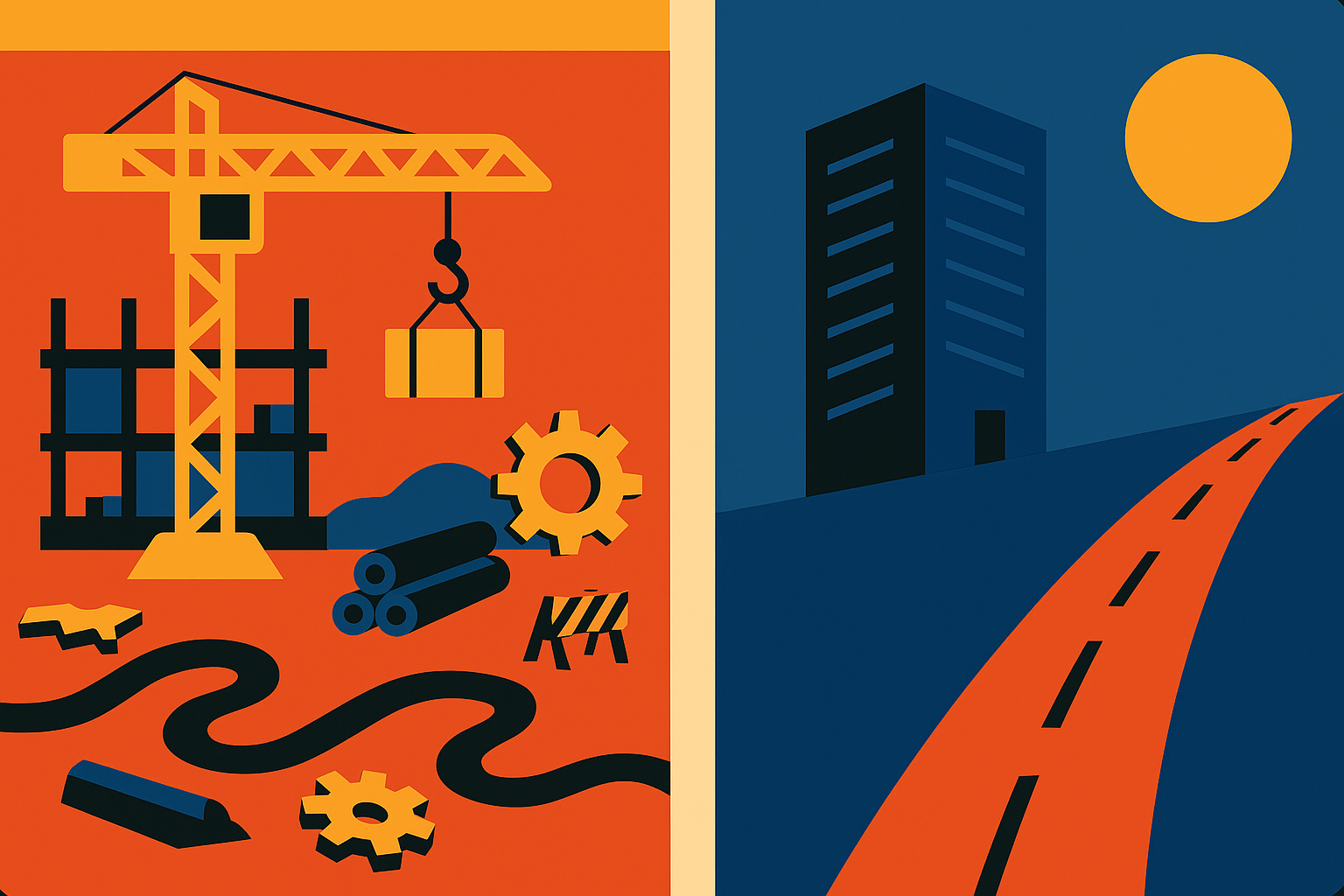
“Free” Isn’t Free: Open-source toolkits are like buying engine parts—you still need to build the car. Enterprise platforms provide infrastructure, tools and libraries for building and managing the complete vehicle.
True Cost: LangChain “free” + developer time can easily amount to $90,000 over 3 months. Enterprise platforms at $500/month pay for themselves through eliminated development costs.
Future-Proofing: Complete runtimes with built-in testing and simulation will dominate as AI agents become mission-critical business systems.
Concluding Thoughts
Your runtime choice determines whether AI agents become a competitive advantage or an expensive distraction. Companies that choose complete platforms deploy faster, scale reliably, and focus resources on business outcomes rather than infrastructure battles.
In 2025, the winners won’t be those who built the most custom code—they’ll be those who delivered AI solutions that actually work.